Skip to content

A dark spot may look like sun damage, old acne discoloration, or melasma, but the treatment plan can change depending on what is happening in the skin. At IWH Medspa, we approach pigment concerns by looking beyond the products on your bathroom counter. Skincare can support the process, but choosing the right clinical treatment, timing, and maintenance plan is what helps create a safer, more thoughtful path toward brighter-looking skin.
Is hyperpigmentation the same as melasma, and should they be treated the same way?
Hyperpigmentation is a broad term for excess pigment, while melasma is a specific type of discoloration that often has hormonal, sun exposure, heat, or recurrent triggers. The right Hyperpigmentation Treatment starts with identifying the pattern of pigmentation, then choosing treatments and skincare that suit your skin.
Hyperpigmentation Vs Melasma
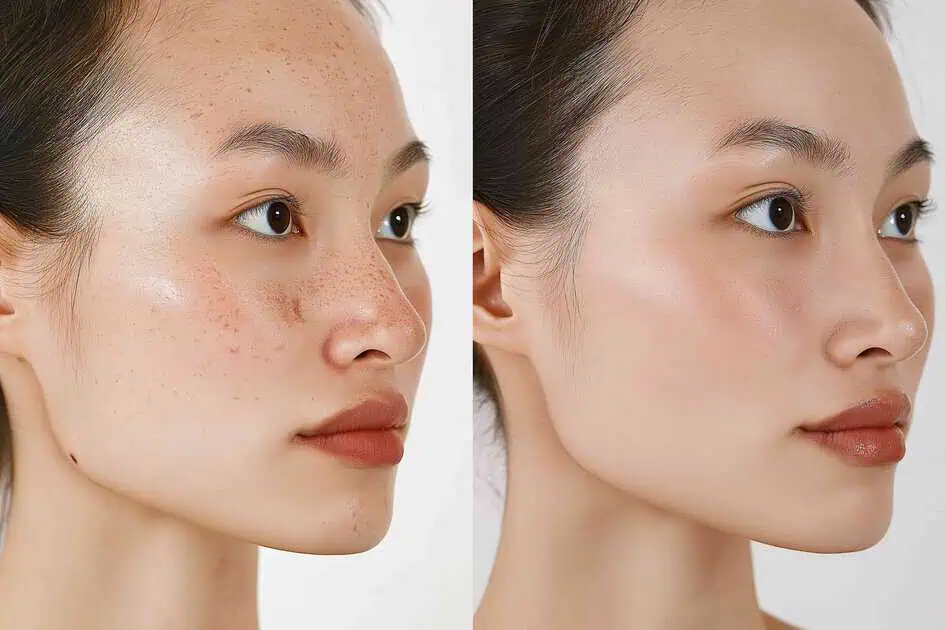
Hyperpigmentation means the skin is producing or holding onto extra melanin, the pigment that gives skin its color. It can show up as dark spots, uneven tone, sun spots, age spots, or discoloration left behind after acne, irritation, or injury.
Melasma is different. It is a specific pigment condition that often appears as larger, patchy areas of brown, tan, gray-brown, or blotchy discoloration. It commonly appears on the cheeks, forehead, upper lip, chin, or jawline, and it tends to be more persistent than a single dark mark from a breakout.
This distinction is important because similar-looking pigments can have different causes. A sun spot may respond well to certain light-based treatments, whereas melasma may require a more cautious approach, as heat, inflammation, and irritation can trigger further pigment production. When the treatment does not match the condition, results may be slower, uneven, or harder to maintain.
How To Tell What Type Of Pigmentation You May Have
Some clues can help you understand what may be happening, but a professional evaluation is still the safest way to choose a plan. Hyperpigmentation can develop after acne, a scratch, a burn, a rash, excess sun exposure, or years of accumulated UV damage. These spots may look more isolated or appear in areas with inflammation or frequent sun exposure.
Melasma often looks more symmetrical. Many people notice matching patches on both cheeks, across the forehead, above the lip, or along the jawline. It may darken after sun or heat exposure, hormonal shifts, pregnancy, certain medications, or skin irritation.
It is also possible to have more than one type of pigmentation at the same time. Someone may have acne-related discoloration, sun damage, and melasma all at once. This is why choosing a random brightening product or booking the strongest treatment available is not always the best first step.
Treatment Choice Depends On The Cause, Depth, And Pattern
The best Hyperpigmentation Treatment is not based only on how dark a spot looks. It depends on why the pigment appeared, how deep it is, how reactive the skin is, and what pattern the provider sees during the consultation.
Post-inflammatory hyperpigmentation from acne or irritation may respond to treatments that promote cell turnover and support a more even skin tone. Sun-related pigmentation may respond to light-based or laser-based options when the skin is a good candidate. Melasma often requires a steadier approach with prevention, careful treatment selection, and ongoing maintenance.
Skin tone also plays a role. Some skin types are more prone to rebound pigment when treated too aggressively. A careful plan helps reduce the risk of irritation while still working toward visible improvement.
At IWH Medspa, treatment planning may include options such as Chemical Peels, Laser Therapy, IPL, Picosure®, Lutronic Ultra®, CO2 resurfacing, PRP, medical skincare, Skin Bleaching, or VI Peels, depending on the concern and skin evaluation.
When Are In-Office Treatments Recommended?
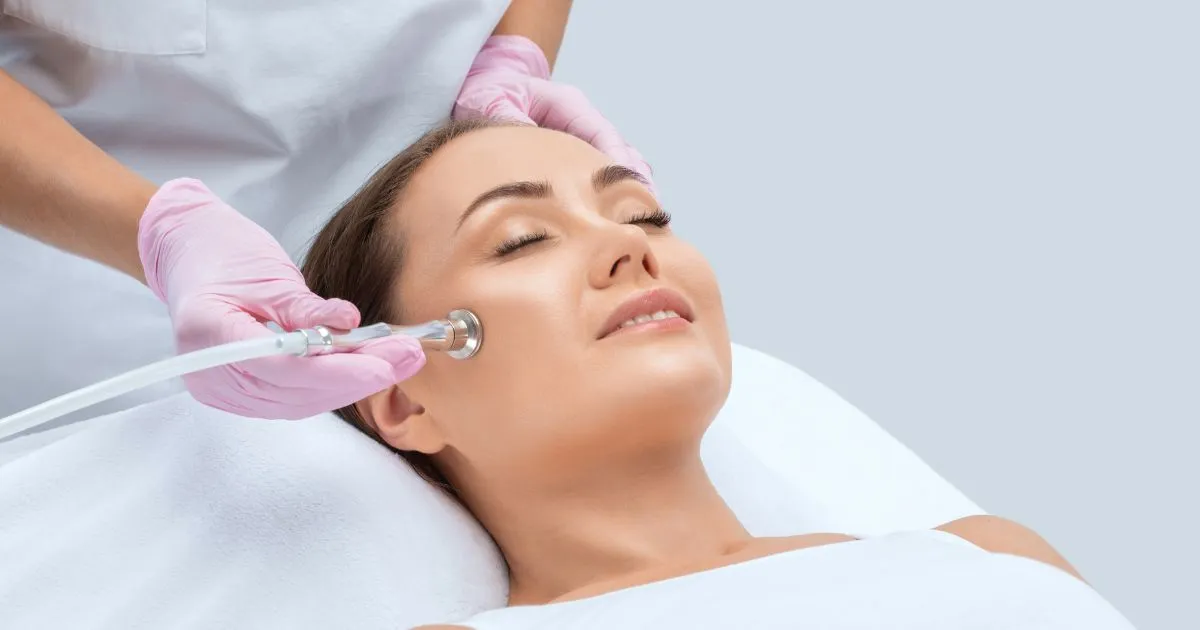
In-office treatments may be recommended when dark spots are not improving with home care alone, when pigmentation is more widespread, or when the skin needs a more targeted approach. The right option depends on the type of pigment.
IPL can be helpful for certain sun-related pigmentation concerns because it uses light to target unwanted pigment and uneven tone. Picosure® may be considered when pigment needs a laser-based approach, especially when deeper discoloration or texture concerns are part of the picture. Lutronic Ultra® can also support improvements in tone and texture by addressing pigmentation and stimulating skin renewal.
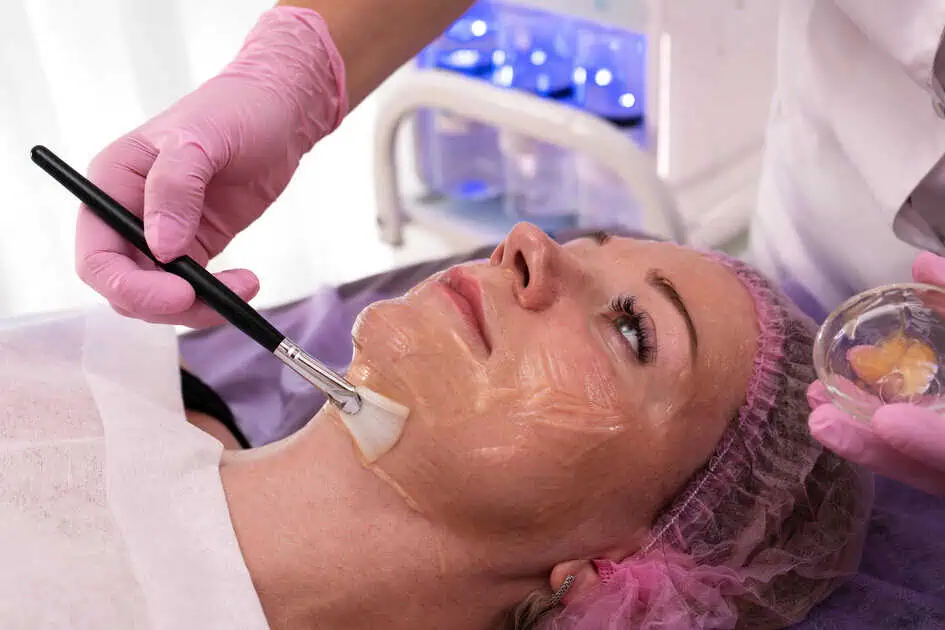
For some patients, Chemical Peels may be a strong fit. Medical-grade VI Peels can address discoloration at multiple levels of the skin and may be used for concerns such as sun damage, melasma, and acne-related pigmentation when appropriate. CO2 resurfacing may be considered for certain pigmentation and texture concerns, but it requires careful candidacy and recovery planning.
Not every treatment is right for every type of pigment. Melasma, in particular, needs extra caution because aggressive heat or irritation can worsen discoloration. That is why treatment choice should be strategic, not based on trends.
Why Melasma Usually Needs A More Careful Long-Term Plan
Melasma treatment usually requires more patience than treating a single dark spot. Melasma can fade and return, especially when triggers are still present. Sun exposure, heat, hormones, inflammation, and certain medications may all influence how the pigment behaves.
A careful long-term plan may include daily broad-spectrum sunscreen, heat awareness, pigment-safe skincare, and scheduled follow-ups. In-office treatments may still play a role, but they need to be chosen carefully and timed appropriately.
This is also where expectations are important. Melasma can often be improved, but it may need maintenance to help keep the skin looking more even. A plan that respects the skin’s sensitivity can be much more useful than pushing it too hard and triggering a flare.
How A Provider Helps You Choose The Right Path
A provider helps by looking at the whole picture: skin tone, sensitivity, pigment pattern, medical history, prior treatments, sun exposure, product use, and how the discoloration has changed over time. This helps separate pigment that may respond well to resurfacing, pigment that may need light or laser treatment, and melasma that needs a more careful long-term plan.
During a consultation for Hyperpigmentation Treatment in Ventura, CA, IWH Medspa can help determine which options may fit your skin. For some patients, the plan may include Chemical Peels or VI Peels. For others, IPL, Picosure®, Lutronic Ultra®, CO2 resurfacing, PRP, Laser Therapy, skincare, or Skin Bleaching may be discussed.
The strongest treatment is not always the safest or smartest choice. The better plan is the one that matches the pigment, protects the skin barrier, and gives your skin a clear maintenance strategy after treatment.
Brighter Skin Starts With The Right Plan
If dark spots have been difficult to fade, it may not be because you have not yet found the right product. It may be because the pigment needs a more specific plan. At IWH Medspa, we take the time to distinguish between general hyperpigmentation and melasma so that treatment can be selected with care. Ready to fade dark spots and restore brighter skin? Schedule your hyperpigmentation consultation today.